Return to Registry
Dermotologists
2 Minute Clinical Audit
The Hidden Dangers of Skin Bleaching
Archived OnMarch 30, 2026
Lead InvestigatorMohamed Xatuute
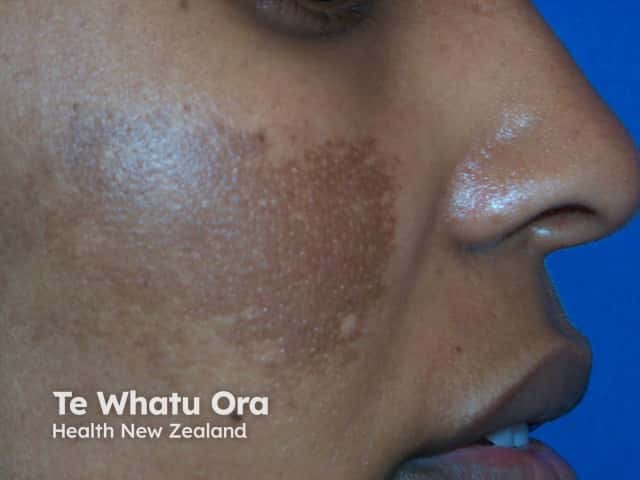
"Skin bleaching involves the use of creams, soaps, or treatments that reduce melanin—the pigment responsible for skin color. Common ingredients in these products include hydroquinone, corticosteroids, and mercury. While some of these substances may be prescribed under medical supervision, many over-the-counter products contain unsafe levels."
## The Hidden Dangers of Skin Bleaching
Skin bleaching, also known as skin lightening, is a practice that involves using chemical substances to lighten the natural color of the skin. While many people turn to these products in search of beauty standards or to treat skin conditions like hyperpigmentation, the long-term effects can be harmful and sometimes irreversible.
### What Is Skin Bleaching?
Skin bleaching involves the use of creams, soaps, or treatments that reduce melanin—the pigment responsible for skin color. Common ingredients in these products include hydroquinone, corticosteroids, and mercury. While some of these substances may be prescribed under medical supervision, many over-the-counter products contain unsafe levels.
### Health Risks and Side Effects
One of the most serious concerns about skin bleaching is its impact on health. Prolonged use can lead to:
* **Skin damage:** Thinning of the skin, increased sensitivity, and a higher risk of infections.
* **Discoloration:** Instead of achieving an even tone, users may develop dark patches or uneven pigmentation.
* **Mercury poisoning:** Some unregulated products contain mercury, which can damage the kidneys and nervous system.
* **Acne and irritation:** Skin can become inflamed, leading to breakouts and redness.
### Psychological and Social Impact
The desire for lighter skin is often influenced by societal pressures and beauty standards. This can lead to low self-esteem and a constant need to alter one’s appearance. Over time, individuals may become dependent on these products, creating both emotional and financial strain.
### Safer Alternatives
Instead of skin bleaching, individuals can consider safer approaches:
* Using sunscreen daily to prevent dark spots
* Consulting dermatologists for proper treatment of skin conditions
* Embracing natural skin tone and promoting self-confidence
### Raising Awareness
Education is key to reducing the harmful use of skin bleaching products. Governments and health organizations are increasingly regulating dangerous ingredients, but awareness at the community level is equally important.
### Conclusion
While the idea of achieving lighter skin may seem appealing to some, the risks associated with skin bleaching far outweigh the benefits. Healthy skin is not defined by its color but by how well it is cared for. Embracing natural beauty and making informed choices can lead to better physical and mental well-being.
Clinical Validity Protocol
This journal entry is synthesized from the Alihsan Clinical Registry and remains part of our institutional knowledge archives. Experimental datasets, specialist projections, and restorative protocols identified herein are peer-reviewed for digital dissemination under the Alihsan Medical Ethics Oversight.